

Dental Crowns at Gary J. Westerman, DMD in Southbury CT
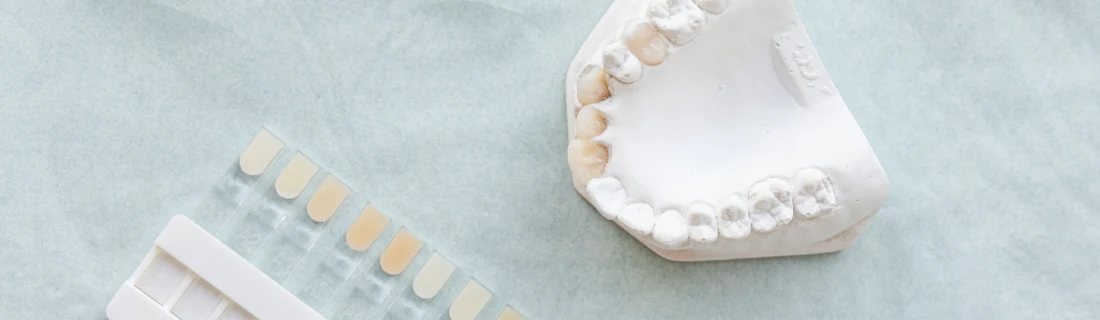
When a tooth needs extra support, a dental crown can help restore its shape and function. At Gary J. Westerman, DMD, we design crowns that fit well and provide long-lasting protection. Our team works carefully to ensure each step is clear and comfortable, helping you return to your normal routine with ease.
What Is a Dental Crown and How Does It Protect Your Tooth?
A dental crown is a custom-made cap that covers the entire visible part of a tooth. It is designed to restore strength, shape, and function when a tooth has been damaged by decay, injury, or wear. When a tooth becomes weak or loses a large amount of its structure, it may no longer be able to handle normal biting forces. A crown acts as a protective shell, holding the tooth together and preventing further damage.
Crowns are often used when a filling is not strong enough to repair the tooth. They completely cover the outer surface, which helps protect the inner layers from bacteria and pressure. This is especially important for teeth with deep decay or a root canal, as these teeth can become brittle over time. By sealing the tooth, a crown also helps reduce the risk of future infection.
Another key benefit is that crowns are carefully shaped to match the natural size and alignment of your surrounding teeth. This helps maintain proper bite and prevents extra strain on nearby teeth and jaw joints. Since each crown is custom-made, it fits securely and allows you to eat and speak comfortably.
A dental crown is a long-term solution that supports both the health and function of your tooth. With proper care, it can protect your tooth for many years and reduce the need for more complex treatments later on.
When Is a Dental Crown Recommended for Tooth Damage or Decay?
A dental crown is recommended when a tooth has too much damage to be repaired with a simple filling. Dentists evaluate the tooth's condition and determine whether additional support is needed to restore its strength and function. When a tooth becomes weak, cracked, or heavily worn down, leaving it untreated can lead to further breakdown or even tooth loss.
There are several common situations where a crown may be the best treatment option:
- Severe tooth decay: When a cavity is too large and not enough healthy structure remains for a filling
- Cracked or broken teeth: To hold the tooth together and prevent the crack from spreading
- After a root canal: To protect the treated tooth, which can become fragile over time
- Worn-down teeth: Caused by grinding or long-term use, which weakens the structure
- Dental implants or bridges: Crowns are used to complete these restorations and restore function
In addition to structural problems, crowns can be used to cover teeth with deep discoloration or an uneven shape. This helps create a more uniform appearance while also improving durability.
Choosing a crown at the right time can prevent more serious dental issues in the future. It provides strong coverage and helps maintain proper chewing ability. Early treatment also reduces the chances of needing more complex procedures later.
Step-by-Step Process of Getting a Dental Crown
Getting a dental crown usually takes two visits, and each step is carefully planned to ensure a secure and comfortable fit. The process begins with a full evaluation of your tooth to confirm that a crown is the right solution. X-rays may be taken to check the roots and surrounding bone before treatment begins.
During the first visit, the tooth is prepared by reshaping the outer surface. This step creates enough space for the crown to fit properly without affecting your bite. If a large portion of the tooth is missing, your dentist may rebuild the structure using filling material to support the crown. Once the tooth is ready, an impression or digital scan is taken to create a precise model.
This model is sent to a dental lab, where your permanent crown is carefully designed. While the final crown is being made, a temporary crown is placed over the tooth to protect it. This temporary option allows you to eat and function normally until your next visit.
At the second appointment, the temporary crown is removed and replaced with the final one. The dentist checks the fit, alignment, and bite before securing it with strong dental cement. Small adjustments may be made to ensure comfort and stability.
This step-by-step process ensures that your crown fits well, functions properly, and provides long-lasting protection for your tooth.
Types of Dental Crown Materials and How to Choose the Right One
Dental crowns are made from different materials, and each type offers its own benefits depending on your needs. The choice of material is based on factors such as strength, appearance, tooth location, and budget. Your dentist will guide you in selecting the most suitable option for your specific case.
Here are the most common types of dental crown materials:
- Metal crowns: Made from gold or other metal alloys, these are extremely strong and long-lasting, making them ideal for back teeth
- All-ceramic or porcelain crowns: These provide a natural, tooth-like appearance and are often used for front teeth
- Porcelain fused to metal: These combine strength and appearance, offering durability with a more natural look
- Stainless steel crowns: Commonly used for children’s teeth as a temporary but strong solution
- Composite resin crowns: A more affordable option, usually used for temporary purposes due to lower durability
Each material has its own advantages. For example, metal crowns can handle strong chewing forces, while ceramic crowns are better suited for visible areas. Porcelain-fused-to-metal crowns offer a balance between strength and appearance.
Making the right choice depends on your specific dental condition and long-term goals. Your dentist will consider how much pressure the tooth handles, how visible it is, and how long the crown needs to last.
How Modern Dental Technology Improves Crown Fit and Comfort
Modern dental technology has greatly improved the design and placement of crowns. In the past, creating a crown required traditional impressions that could feel uncomfortable and sometimes less accurate. Advanced tools enable a more precise, efficient process, resulting in better-fitting crowns and improved overall comfort.
One key advancement is the use of digital scanners. Instead of using messy impression materials, dentists can now capture a detailed 3D image of your tooth. This digital model helps ensure the crown is designed with high accuracy. It also reduces the risk of errors and the need for later adjustments.
Computer-aided design and manufacturing systems, often called CAD/CAM, are also widely used. These systems allow crowns to be designed and created with exact measurements. In some cases, crowns can even be made in a single visit using in-office milling machines. This reduces waiting time and eliminates the need for a temporary crown.
How Long Dental Crowns Last and How to Care for Them Properly
Dental crowns are designed to be strong and durable, but their lifespan depends on how well they are cared for and on the material used. On average, a dental crown can last between 10 to 15 years, and in many cases, even longer with proper maintenance. Daily habits and oral care play a major role in how long your crown will remain in good condition.
To help your crown last as long as possible, it is important to follow good care practices:
- Brush and floss daily: Keeping the area around the crown clean helps prevent decay at the base of the tooth
- Avoid hard or sticky foods: Biting on hard objects can damage the crown or loosen it over time
- Wear a night guard if needed: If you grind your teeth, this protects the crown from excessive pressure
- Visit your dentist regularly: Routine check-ups help detect any issues early before they become serious
Even though a crown covers the tooth, the natural tooth beneath can still be affected by decay if it is not properly cared for. Maintaining good oral hygiene is essential for long-term success. If a crown becomes loose, worn, or damaged, it should be checked by a dentist as soon as possible. Early attention can prevent further complications and extend the life of the restoration.
Schedule Your Appointment Today!
Ready to restore strength and function to your tooth? Contact Gary J. Westerman, DMD to book your dental crown consultation. Call us today at (203) 264-5630 or visit our office to get started.
Contact Information:
Gary J. Westerman, DMD
1063 Main St N
Phone: (203) 264-5630

OFFICE HOURS
Monday
8:30am - 5:30pm
Tuesday
8:30am - 5:30pm
Thursday
8:30am - 5:30pm

Gary J. Westerman, DMD
1063 Main St N
Southbury, CT 06488